Buy cinéma.be ?
We are moving the project
cinéma.be .
Are you interested in purchasing the domain
cinéma.be ?
domain@kv-gmbh.de · 0541-91531010
Buy cinéma.be ?
What is dentifrice phobia?
Dentifrice phobia, also known as toothpaste phobia, is a specific phobia characterized by an intense and irrational fear of using toothpaste. This fear can be triggered by the taste, texture, or smell of toothpaste, and can lead to avoidance of oral hygiene practices such as brushing teeth. Dentifrice phobia can have negative effects on oral health and overall well-being, and may require professional intervention to address. **
What filters best, ash, charcoal, or activated charcoal?
Activated charcoal is the best filter among the three options. It has a larger surface area and more porous structure, allowing it to effectively trap and remove impurities from air and water. Ash and regular charcoal may also have some filtering properties, but they are not as effective as activated charcoal. Therefore, when it comes to filtering, activated charcoal is the superior choice. **

Similar search terms for Biomed-Charcoal-dentifrice-blanchissant
Top-Angebote
Products related to Biomed-Charcoal-dentifrice-blanchissant:
-
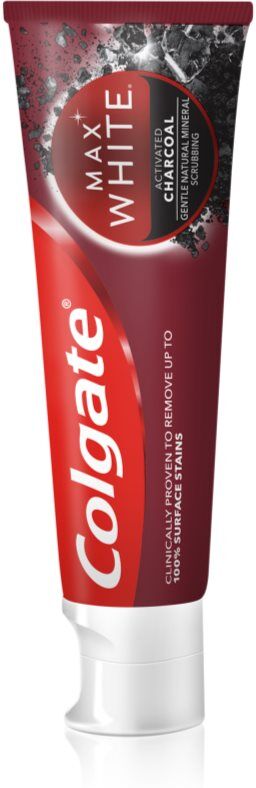
Colgate Max White Charcoal dentifrice blanchissant 75 mlColgate Max White Charcoal, 75 ml, Dentifrices blanchissants mixte, Le dentifriceColgate Max White Charcoal est conçu pour délicatement blanchir vos dents. Son utilisation régulière supprime efficacement la pigmentation dentaire, elle vous rend votre sourire radieux. Le produit : blanchit les dents lutte contre la carie dentaire et le tartre dentaire Mode d’emploi : Utilisez au moins 2 fois par jour. Nettoyez vos dents minutieusement pendant au moins 2 minutes.4,30 €*Shipping: 3,45 €Secure redirect to the provider
-
Colgate Max White Charcoal dentifrice blanchissant 20 mlColgate Max White Charcoal, 20 ml, Dentifrices blanchissants mixte, Le dentifriceColgate Max White Charcoal est conçu pour délicatement blanchir vos dents. Son utilisation régulière supprime efficacement la pigmentation dentaire, elle vous rend votre sourire radieux. Le produit : blanchit les dents lutte contre la carie dentaire et le tartre dentaire Mode d’emploi : Utilisez au moins 2 fois par jour. Nettoyez vos dents minutieusement pendant au moins 2 minutes.1,60 €*Shipping: 3,45 €Secure redirect to the provider
-
Colgate Advanced White Charcoal dentifrice blanchissant au charbon actif 75 mlColgate Advanced White Charcoal, 75 ml, Dentifrices blanchissants mixte, Le dentifriceColgate Advanced White Charcoal est conçu pour délicatement blanchir vos dents. Son utilisation régulière supprime efficacement la pigmentation dentaire, elle vous rend votre sourire radieux. Le produit : blanchit les dents lutte contre la carie dentaire et le tartre dentaire rafraîchit l’haleine Mode d’emploi : Nettoyez vos dents minutieusement pendant au moins 2 minutes.3,20 €*Shipping: 3,45 €Secure redirect to the provider
-
White Glo Charcoal dentifrice blanchissant au charbon actif de voyage 24 gWhite Glo Charcoal, 24 g, Dentifrices blanchissants mixte, Le produit : n’abîme pas les dents rafraîchit l’haleine Mode d’emploi : Utilisez au moins 2 fois par jour. Nettoyez vos dents minutieusement pendant au moins 2 minutes. Pour bien achever votre routine d’hygiène dentaire, utilisez un fil ou une brossette interdentaire. Vous trouverez plus d’informations d’utilisation dans le manuel joint.1,08 €*Shipping: 3,45 €Secure redirect to the provider


-
Is charcoal dangerous?
Charcoal itself is not inherently dangerous, but it can pose risks if not used properly. When burned, charcoal produces carbon monoxide, a colorless, odorless gas that can be harmful or even deadly if inhaled in high concentrations. Therefore, it is important to always use charcoal in a well-ventilated area to prevent the buildup of carbon monoxide. Additionally, ingesting charcoal can be dangerous and should be avoided. Overall, when used safely and responsibly, charcoal can be a useful and effective fuel source for cooking and heating. **
-
Who produces charcoal?
Charcoal is typically produced by burning wood in a low-oxygen environment, a process known as pyrolysis. This can be done on a small scale by individuals for personal use or on a larger scale by commercial operations. Charcoal is also produced as a byproduct of other industries, such as the production of steel or sugar. **
-
Is it possible to use charcoal instead of activated charcoal?
While charcoal and activated charcoal may look similar, they are not the same. Activated charcoal has been specially treated to increase its surface area and make it more porous, which enhances its ability to adsorb toxins and impurities. Regular charcoal, on the other hand, may not have the same adsorption capabilities. Therefore, it is not recommended to use regular charcoal as a substitute for activated charcoal in medical or purification applications. **
-
What color is charcoal?
Charcoal is typically a dark gray or black color. It is the color of the residue left after burning wood or other organic materials. Charcoal is often used for drawing and sketching because of its deep, rich color. **
Can you eat charcoal?
While charcoal is not meant to be consumed, there are certain types of activated charcoal that are safe for consumption in small amounts. Activated charcoal is sometimes used in emergency situations to treat certain types of poisoning or overdose. However, it is important to note that consuming charcoal regularly or in large amounts can be harmful and interfere with the absorption of nutrients in the body. It is always best to consult with a healthcare professional before consuming charcoal for any purpose. **
Where is charcoal produced?
Charcoal is produced through a process called pyrolysis, which involves heating wood, coconut shells, or other organic materials in the absence of oxygen. This process can be carried out in traditional kilns or modern industrial retorts. Charcoal production is commonly found in areas with abundant sources of wood or coconut shells, such as forests, plantations, or rural areas. **
Top-Angebote
Products related to Biomed-Charcoal-dentifrice-blanchissant:
-
Biomed Charcoal dentifrice blanchissant au charbon actif 100 gBiomed Charcoal, 100 g, Pour renforcer l'émail dentaire pour femme, Le dentifriceBiomed Charcoal est conçu pour délicatement blanchir vos dents. Son utilisation régulière supprime efficacement la pigmentation dentaire, elle vous rend votre sourire radieux. Le produit : blanchit les dents lutte contre la carie dentaire et le tartre dentaire rafraîchit l’haleine garantit le respect des dents et des gencives Composition du produit : produit végétalien sans fluor extraits naturels Mode d’emploi : Nettoyez vos dents minutieusement pendant au moins 2 minutes. Utilisez au moins 2 fois par jour.4,00 €*Shipping: 3,45 €Secure redirect to the provider
-
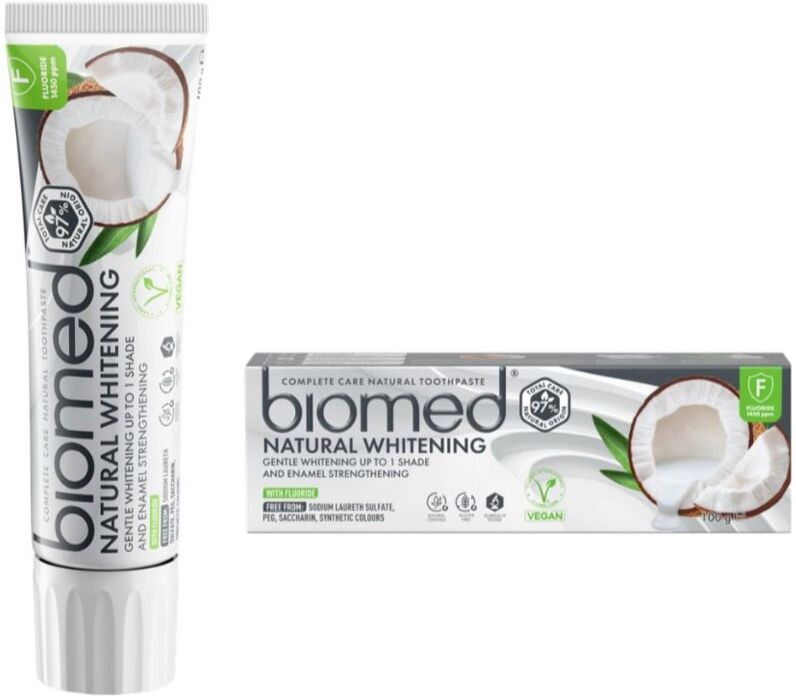
Biomed Natural Whitening dentifrice blanchissant 100 gBiomed Natural Whitening, 100 g, Sans fluor pour homme, Le dentifrice Biomed Natural Whitening ne contient pas de fluoride, mais il renforce les dents de façon naturelle. Il est particulièrement adapté aux dents et gencives sensibles. Le produit : blanchit les dents lutte contre la carie dentaire et le tartre dentaire garantit le respect de l’émail dentaire revitalise et prend soin des gencives rafraîchit l’haleine effet apaisant Composition du produit : sans fluor huile de coco – contient une grande quantité d'antioxydants, aide à prévenir les rides et le vieillissement prématuré de la peau, nourrit intensément, assouplit et favorise l'hydratation, la régénération et l'apaisement de la peau zinc : équilibre le sébum, apaise la peau, réduit les rougeurs, présente des effets purifiants, aide à lutter contre l’acné, contribue à resserrer les pores calcium : accélère le renouvellement des cellules cutanées, prévient le relâchement et l’amincissement de la peau, lutte contre divers autres signes de vieillissement, renforce la barrière cutanée de la peau, aide à la maintenir hydratée et favorise sa régénération extrait de bouleau – possède un effet apaisant, lutte contre les irritations et les rougeurs, favorise l'aspect sain de la peau Mode d’emploi : Utilisez au moins 2 fois par jour.4,90 €*Shipping: 3,45 €Secure redirect to the provider
-
Colgate Max White Charcoal dentifrice blanchissant 75 mlColgate Max White Charcoal, 75 ml, Dentifrices blanchissants mixte, Le dentifriceColgate Max White Charcoal est conçu pour délicatement blanchir vos dents. Son utilisation régulière supprime efficacement la pigmentation dentaire, elle vous rend votre sourire radieux. Le produit : blanchit les dents lutte contre la carie dentaire et le tartre dentaire Mode d’emploi : Utilisez au moins 2 fois par jour. Nettoyez vos dents minutieusement pendant au moins 2 minutes.4,30 €*Shipping: 3,45 €Secure redirect to the provider
-
Colgate Max White Charcoal dentifrice blanchissant 20 mlColgate Max White Charcoal, 20 ml, Dentifrices blanchissants mixte, Le dentifriceColgate Max White Charcoal est conçu pour délicatement blanchir vos dents. Son utilisation régulière supprime efficacement la pigmentation dentaire, elle vous rend votre sourire radieux. Le produit : blanchit les dents lutte contre la carie dentaire et le tartre dentaire Mode d’emploi : Utilisez au moins 2 fois par jour. Nettoyez vos dents minutieusement pendant au moins 2 minutes.1,60 €*Shipping: 3,45 €Secure redirect to the provider
-
What is dentifrice phobia?
Dentifrice phobia, also known as toothpaste phobia, is a specific phobia characterized by an intense and irrational fear of using toothpaste. This fear can be triggered by the taste, texture, or smell of toothpaste, and can lead to avoidance of oral hygiene practices such as brushing teeth. Dentifrice phobia can have negative effects on oral health and overall well-being, and may require professional intervention to address. **
-
What filters best, ash, charcoal, or activated charcoal?
Activated charcoal is the best filter among the three options. It has a larger surface area and more porous structure, allowing it to effectively trap and remove impurities from air and water. Ash and regular charcoal may also have some filtering properties, but they are not as effective as activated charcoal. Therefore, when it comes to filtering, activated charcoal is the superior choice. **
-
Is charcoal dangerous?
Charcoal itself is not inherently dangerous, but it can pose risks if not used properly. When burned, charcoal produces carbon monoxide, a colorless, odorless gas that can be harmful or even deadly if inhaled in high concentrations. Therefore, it is important to always use charcoal in a well-ventilated area to prevent the buildup of carbon monoxide. Additionally, ingesting charcoal can be dangerous and should be avoided. Overall, when used safely and responsibly, charcoal can be a useful and effective fuel source for cooking and heating. **
-
Who produces charcoal?
Charcoal is typically produced by burning wood in a low-oxygen environment, a process known as pyrolysis. This can be done on a small scale by individuals for personal use or on a larger scale by commercial operations. Charcoal is also produced as a byproduct of other industries, such as the production of steel or sugar. **
Similar search terms for Biomed-Charcoal-dentifrice-blanchissant
-
Colgate Advanced White Charcoal dentifrice blanchissant au charbon actif 75 mlColgate Advanced White Charcoal, 75 ml, Dentifrices blanchissants mixte, Le dentifriceColgate Advanced White Charcoal est conçu pour délicatement blanchir vos dents. Son utilisation régulière supprime efficacement la pigmentation dentaire, elle vous rend votre sourire radieux. Le produit : blanchit les dents lutte contre la carie dentaire et le tartre dentaire rafraîchit l’haleine Mode d’emploi : Nettoyez vos dents minutieusement pendant au moins 2 minutes.3,20 €*Shipping: 3,45 €Secure redirect to the provider
-
White Glo Charcoal dentifrice blanchissant au charbon actif de voyage 24 gWhite Glo Charcoal, 24 g, Dentifrices blanchissants mixte, Le produit : n’abîme pas les dents rafraîchit l’haleine Mode d’emploi : Utilisez au moins 2 fois par jour. Nettoyez vos dents minutieusement pendant au moins 2 minutes. Pour bien achever votre routine d’hygiène dentaire, utilisez un fil ou une brossette interdentaire. Vous trouverez plus d’informations d’utilisation dans le manuel joint.1,08 €*Shipping: 3,45 €Secure redirect to the provider
-
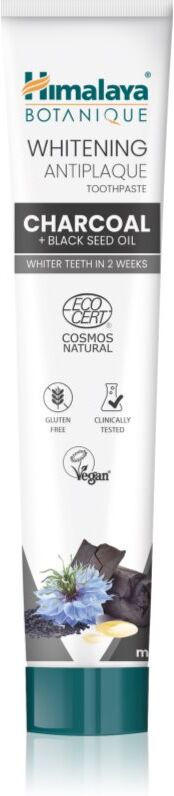
Himalaya Herbals Whitening Antiplaque Charcoal + Black Seed Oil dentifrice blanchissant au charbon actif 75 mlHimalaya Herbals Whitening Antiplaque Charcoal + Black Seed Oil, 75 ml, Pour une protection complète pour femme, Le dentifrice Himalaya Herbals Whitening AntiplaqueCharcoal + Black Seed Oil assure un soin complet de vos dents et de vos gencives. Il nettoie la plaque dentaire et les restes d’aliments de vos dents, il prend également soin de la gencive et des muqueuses buccales. Le produit : nettoie parfaitement les dents prend soin des gencives supprime le tartre et la plaque dentaire blanchit les dents lutte contre la carie dentaire et le tartre dentaire rafraîchit l’haleine Mode d’emploi : Appliquez une quantité raisonnable de dentifrice sur la brosse à dents et nettoyez les dents pendant au moins 2 minutes. Nettoyez vos dents au moins 2 x par jour avec une brosse de qualité.6,00 €*Shipping: 3,45 €Secure redirect to the provider
-
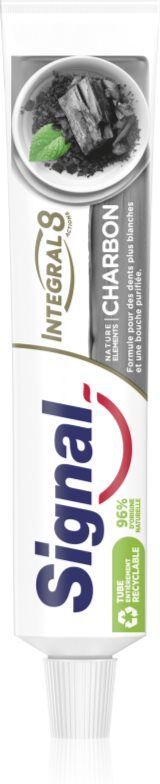
Signal Natural Elements Integral 8 Charcoal dentifrice Charcoal 75 mlSignal Natural Elements Integral 8 Charcoal, 75 ml, Dentifrices mixte, Le dentifrice Signal Natural Elements Integral 8Charcoal assure un soin complet de vos dents et de vos gencives. Il nettoie la plaque dentaire et les restes d’aliments de vos dents, il prend également soin de la gencive et des muqueuses buccales. Le produit : nettoie parfaitement les dents prend soin des gencives limite la formation de plaque dentaire Mode d’emploi : Nettoyez vos dents au moins 2 x par jour avec une brosse de qualité. Appliquez une quantité raisonnable de dentifrice sur la brosse à dents et nettoyez les dents pendant au moins 2 minutes. Rincez ensuite parfaitement votre cavité buccale.4,10 €*Shipping: 3,45 €Secure redirect to the provider
-
Is it possible to use charcoal instead of activated charcoal?
While charcoal and activated charcoal may look similar, they are not the same. Activated charcoal has been specially treated to increase its surface area and make it more porous, which enhances its ability to adsorb toxins and impurities. Regular charcoal, on the other hand, may not have the same adsorption capabilities. Therefore, it is not recommended to use regular charcoal as a substitute for activated charcoal in medical or purification applications. **
-
What color is charcoal?
Charcoal is typically a dark gray or black color. It is the color of the residue left after burning wood or other organic materials. Charcoal is often used for drawing and sketching because of its deep, rich color. **
-
Can you eat charcoal?
While charcoal is not meant to be consumed, there are certain types of activated charcoal that are safe for consumption in small amounts. Activated charcoal is sometimes used in emergency situations to treat certain types of poisoning or overdose. However, it is important to note that consuming charcoal regularly or in large amounts can be harmful and interfere with the absorption of nutrients in the body. It is always best to consult with a healthcare professional before consuming charcoal for any purpose. **
-
Where is charcoal produced?
Charcoal is produced through a process called pyrolysis, which involves heating wood, coconut shells, or other organic materials in the absence of oxygen. This process can be carried out in traditional kilns or modern industrial retorts. Charcoal production is commonly found in areas with abundant sources of wood or coconut shells, such as forests, plantations, or rural areas. **
* All prices are inclusive of VAT and, if applicable, plus shipping costs. The offer information is based on the details provided by the respective shop and is updated through automated processes. Real-time updates do not occur, so deviations can occur in individual cases. ** Note: Parts of this content were created by AI.